การตั้งกองกำลังยุโรปคือการตีจากอิทธิพลของสหรัฐหรือไม่
คอลัมน์ ช่วยกันคิด ช่วยกันทำ
ทหารประชาธิปไตย
การตั้งกองกำลังยุโรปคือการตีจากอิทธิพลของสหรัฐหรือไม่
ในขณะที่สหรัฐฯพยายามกดดันให้กองกำลังนาโต้เผชิญหน้ากับรัสเซีย ด้วยมาตรการต่างๆรวมทั้งการจัดให้มีการซ้อมรบหลายครั้งตามชายแดน ตั้งแต่ทางภาคเหนือแถวประเทศลิทัวเนียลัตเวีย และเอสโตเนียลงมาถึงโปแลนด์
ล่าสุดก็ใช้ยูเครนให้เป็นตัวล่อเป้าด้วยการส่งกองเรือยูเครนบุกรุกผ่านแดนรัสเซียในทะเลดำ เพื่อออกไปในเขตน่านน้ำนานาชาติ จนเกิดประทะกันและเกิดความตึงเครียดไปทั่วทั้งยุโรป
ความอึดอัดใจของยุโรปในเรื่องที่ถูกลากจูงด้วยองค์กรนาโต้ เพื่อทำให้เกิดการเผชิญหน้ากับรัสเซีย อันจะทำให้ยุโรปต้องมีปัญหาต่างๆ รวมทั้งเรื่องพลังงานที่จำเป็นหรือมีเป้าหมายที่จะอาศัยก๊าซธรรมชาติจากรัสเซีย อันเป็นปัจจัยสำคัญในการดำรงชีวิต และขับเคลื่อนเศรษฐกิจของยุโรป ทำให้ยุโรปพยายามทุกวิถีทางเพื่อให้หลุดพ้นจากอิทธิพลของสหรัฐฯ ไม่ว่าจะเป็นการดำเนินนโยบายต่างประเทศ หรือแม้แต่การมีส่วนร่วมในกองกำลังนาโต้
การจัดตั้งกองกำลังยุโรปจึงเป็นมาตรการหนึ่งที่กลุ่มประเทศนำในยุโรป เช่น เยอรมัน ฝรั่งเศส สเปน และอิตาลี เริ่มพูดคุยกัน โดยมีเยอรมัน และฝรั่งเศสเป็นหัวหอก
เมื่อวันที่ 19 พฤศจิกายนที่ผ่านมา ในการประชุมร่วมกันทั้งรัฐมนตรีต่างประเทศและรัฐมนตรีกลาโหมของชาติในยุโรปต่างให้ไฟเขียวในการริเริ่ม ร่วมมือทางทหหารของยุโรป รวมทั้งงานการข่าว การฝึกร่วมงานการข่าว การสร้างต้นแบบรถหุ้มเกาะของหน่วยทหารราบ การจัดทีมร่วมในสงครามไซเบอร์ ตลอดทั้งการจัดตั้งหน่วยอากาศยานที่มีเพดานดินสูงสำหรับงานการข่าว ซึ่งทั้งหมดนี้จะอยู่ภายใต้โครงการที่เรียกว่า PESCO (The Permanent Structured Cooperation)
นี่นับเป็นก้าวแรกของการก้าวไปสู่การจัดกองกำลังยุโรป ซึ่งคงต้องใช้เวลาอีกพอสมควร
ประธานาธิบดีอิมมานูเอล มาครง ได้ตอบรับไฟสัญญาณจากประธานคณะกรรมการสหภาพยุโรป ชอง เคล้า จุงเกอร์ ที่เปิดประเด็นในเรื่องการจัดตั้งกองกำลังของยุโรป ที่เป็นอิสระและเอกเทศจากชาติอื่นนอกพื้นที่ นั่นคงหมายถึงสหรัฐอเมริกาอย่างชัดเจน
นายกรัฐมนตรีอังเกลา แมร์เคิล ในระยะต่อมาก็ได้ตอบรับการสื่อสารของประธานาธิบดีมาครงในการจัดตั้งกองกำลังยุโรป โดยเรียกร้องให้จัดตั้งกองกำลังยุโรปที่แท้จริง
ซึ่งหากจะวิเคราะห์ในประเด็นนี้ ยุโรปไม่มีความจำเป็นเท่าไรนัก ในเรื่องความมั่นคงตราบที่ยังมีกองกำลังนาโต้ แต่ยุโรปต้องการความเป็นอิสระปลอดจากการแทรกแซง หรือชี้นำของสหรัฐฯอันอาจมีผลที่ทำให้ต้องเผชิญหน้ากับรัสเซียโดยไม่จำเป็น และอาจจะขัดกับผลประโยชน์ของยุโรปด้วยซ้ำ แม้ว่ากองกำลังยุโรปอาจจะไม่เข้มแข็งเท่านาโต้ แต่ต้องการเน้นถึงความเป็นอิสระ ปลอดจากอิทธิพลของวอชิงตันมากกว่า
การเรียกร้องให้มีการจัดตั้งกองกำลังยุโรปนี้ ความจริงไม่ใช่พึ่งจะเกิดในระยะนี้ แต่มีการริเริ่มมาตั้งแต่เดือนมิถุนายน ค.ศ.1992 แล้ว มันเกิดขึ้นภายหลังการล่มสลายของสหภาพโซเวียตเพียงแค่ 2 เดือนเศษ ทั้งนี้เพราะยุโรปเริ่มมองเห็นว่าภัยคุกคามจากยุโรปตะวันออกน่าจะลดน้อยถอยลง ซึ่งก็เป็นจริงตามนั้น เพราะในเวลาไม่นานหลายประเทศในยุโรปตะวันออก เช่น โปแลนด์ ฮังการี ยูเครน และจอร์เจีย ต่างก็เอียงเข้ากับยุโรปตะวันตก และมาเป็นสมาชิกนาโต้ในที่สุด
อย่างไรก็ตามในกลุ่มประเทศยุโรปมีบางประเทศไม่เห็นด้วยกับการแยกมาตั้งกองกำลังเอง เช่น สหราชอาณาจักร เป็นต้น
แน่นอนสหรัฐฯย่อมไม่เห็นด้วย โดยในครั้งนั้นนางแมดเดอลีน อัลไบร์ท ได้เรียกร้องให้มีข้อจำกัดในการจัดตั้งกองกำลังยุโรป หากยังต้องการ การสนับสนุนจากสหรัฐฯ โดยมีเงื่อนไขว่าห้ามลอกเลียนการจัดกำลัง การวางกำลังของนาโต้ ห้ามตัดขาดความร่วมมือกับนาโต้ และห้ามมีความลำเอียง หรืออคติต่อสมาชิกนาโต้ ที่มิได้อยู่ในพื้นที่ใหญ่ของยุโรป ซึ่งหมายถึงตุรกีนั่นเอง
ด้านแนวคิดดังกล่าวก็ได้มีการแบ่งงานกันทำระหว่างนาโต้กับกองกำลังยุโรป กล่าวคือ กองกำลังนาโต้จะทำหน้าที่ปกป้องและโจมตี ในขณะที่กองกำลังยุโรปจะทำหน้าที่ในการรักษาสันติภาพ และการบูรณฟื้นฟูชาติ แต่การแบ่งงานกันทำดังกล่าว กำลังถูกท้าทายด้วยปัญหา 2 ประการ คือ หนึ่งความสัมพันธ์ระหว่างสหรัฐฯและยุโรปเริ่มสั่นคลอน โดยเฉพาะความก้าวร้าวของทรัมป์ที่ไม่ยอมฟังพันธมิตรยุโรปเลย สอง คือการที่สหราชอาณาจักรจะแยกตัวจาก EU แม้ว่าสภาผู้แทนจะให้ชะลอไปก็ตาม ก็ยังเกิดปัญหาว่าเมื่อแยกแล้วจะจัดการกับกองกำลังยุโรปอย่างไร ทั้งกำลังคนและเงินสนับสนุน
ประธานาธิบดีมาครง ได้ให้สัมภาษณ์ทางสถานีวิทยุยุโรปวัน ในวันที่ 6 พฤศจิกายนว่า ยุโรปจะต้องปกป้องตนเอง โดยการให้ความเคารถต่อจีน รัสเซีย และสหรัฐอเมริกา นั่นคือ การประกาศจุดยืนว่าสหภาพยุโรปจะรักษาดุลอำนาจระหว่าง 3 มหาอำนาจ
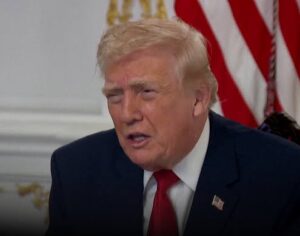
ที่น่าประหลาดใจคือ ประธานาธิบดีทรัมป์ ได้ตอบโต้คำพูดของมาครง โดยการทวีตว่า มาครงได้แนะนำใหยุโรปปกป้องตนเอง ด้วยการสร้างกองกำลังขึ้นมาเอง เพื่อจะได้ปกป้องตนเองจากสหรัฐฯ จีน และรัสเซีย ซึ่งทรัมป์ถือว่าเป็นการดูถูกสหรัฐฯ ดังนั้นยุโรปควรจะจ่ายเงินในสัดส่วนที่เหมาะสมให้กับองค์การนาโต้ เพราะในปัจจุบันสหรัฐฯจ่ายเงินมากที่สุด
ชะรอยในหัวของทรัมป์นั้นคิดแต่เรื่องเงิน เพราะเขามักจะไปทวงถาม หรือ เรียกร้องการจ่ายเงินเพิ่มให้สหรัฐฯในเวทีการเมืองระหว่างประเทศอยู่บ่อยครั้ง อย่างเช่นไปเรียกค่าคุ้มครองจากรัฐบาลซาอุดิอารเบีย โดยกล่าวกับกษัตริย์ซัลมาลว่า ถ้าไม่มีสหรัฐฯคอยปกป้อง ราชวงศ์นี้คงอยู่ได้ไม่ถึงสัปดาห์ ฉะนั้นควรจะจ่ายเงินให้กับสหรัฐฯในการปกป้องมากกว่าที่เป็นอยู่
ที่ต้องถือว่าเป็นเรื่องตลก คือ การที่ทรัมป์ไปตีความว่ามาครงต้องการให้สร้างกองกำลังเพื่อปกป้องจีน เพราะในแง่ภูมิศาสตร์นั้นก็น่าจะเป็นไปได้ยาก ส่วนรัสเซียนั้นเนื่องจากมีดินแดงติดกันก็ไม่ใช่เรื่องแปลก ขำสุดคือทำไมยุโรปจึงต้องกลัวการรุกรานทางทหารจากสหรัฐฯ จริงๆแล้วมาครงกลัวการคุกคามทางการเมือง และการแทรกแซงกิจการภายในของสหรัฐฯภายใต้ประธานาธิบดีทรัมป์มากกว่า
อนึ่งเลขาธิการองค์การนาโต้ สโตเตนเบิร์ค ไม่ได้ชื่นชมคำกล่าวของมาครงเช่นกัน โดยเขากล่าวว่าความพยายามของยุโรปที่จะปกป้องตนเองเป็นสิ่งที่สุดยอด แต่ไม่ควรมองข้ามพลังความสัมพันธ์อันแนบแน่นของทรานแอตแลนติค นั่นคือความสัมพันธ์ระหว่างสหรัฐฯกับยุโรป
ส่วนประธานาธิบดีปูตินของรัสเซีย ได้กล่าวว่ามันเป็นธรรมชาติที่ยุโรปต้องการอิสรภาพ ยืนบนขาตนเองในทุกๆด้าน รวมทั้งการป้องกันประเทศและความมั่นคงปลอดภัย ภายใต้อธิปไตยของตนเอง ทำไมปูตินจึงได้พูดแบบนี้ก็ไม่ใช่เรื่องยากที่จะอธิบาย เพราะนาโต้คือภัยคุกคามรัสเซีย ถ้าสามารถลดบทบาทของนาโต้ลงได้ก็จะเป็นการดีกับรัสเซีย
ประเด็นสำคัญที่มาครงได้ให้สัมภาษณ์ทางวิทยุเป็นสิ่งที่ต้องพิจารณาอย่างจริงจัง ก็คือ การถ่วงดุลระหว่างมหาอำนาจที่ยุโรปควรจะดำเนินการอย่างเป็นรูปธรรม แม้ว่าในขณะนี้ความเห็นนี้จะยังไม่เป็นที่ยอมรับโดยทั่วไปในยุโรป แต่ในไม่ช้าเพื่อผลประโยชน์ของตนเอง ยุโรปก็อาจต้องหันมาใช้นโยบายถ่วงดุล มากกว่านโยบายตามก้นอเมริกา
แล้วรัฐบาลไทยคิดอย่างไรในเวทีทางการเมืองระหว่างประเทศ ที่มิได้มีแค่ 1 หรือ 2 มหาอำนาจ แต่มันเริ่มมีมหาอำนาจหลายขั้วในยุคนี้ หรือเอาตามสะดวกที่ใครให้ผลประโยชน์ส่วนตนมากกว่าก็ตามประเทศนั้น
Rebellion: independence from NATO, US driving EU toward own Army creation
A European Army can diminish the dominant role of NATO and Washington in European security amid the EU-US split that has been dramatically intensified under Donald Trump.
 On November 19, European foreign and defence ministers gave the green light to a whole set of military initiatives, including intelligence training, the development of a prototype of the European armoured infantry fighting vehicle, cyber response teams and a high-atmosphere aircraft for intelligence gathering under the Permanent Structured Cooperation (PESCO). While the creation of a full-fledged European Army remains a distant goal, the EU is taking small steps to achieve it.
French President Emmanuel Macron has taken up the torch from European Commission President Jean-Claude Juncker promoting the creation of the so-called European Army. German Chancellor Angela Merkel has recently endorsed Macron’s initiative, calling upon the EU to create a “real true European army”. Does the EU really need its own defence forces?
So, the EU’s motivation for developing an army is to augment its independence, not security. An EU army would have less capabilities and influence than NATO, but it would be instrumental for the Europeans to obtain greater autonomy from the Washington. The Europeans initially reached an agreement to develop common military capabilities in June 1992 – less than six months after the Soviet Union collapsed.
 As the perceived threat from the east had radically decreased, the timing suggested that developing independent EU military capabilities was motivated by an opportunity to reduce reliance on the US and thereby restrain Washington’s influence on the continent. Yet, EU member states were divided as especially the UK opposed such measures.
Furthermore, the US expressed apprehensions about the Europeans venturing out on their own and diminishing the leading role of NATO. US Secretary of State Madeleine Albright demanded some limitations on the EU’s military ambitions by outlining the three conditions for American support – no duplication of NATO capabilities, no decoupling from NATO, and no discrimination against NATO members that are not part of the EU (Turkey).
A division of labour was agreed between NATO and the EU to avert completely independent EU capabilities and an EU army. NATO was tasked to do the heavy lifting in terms of interventions and invasions, while the EU would do the softer tasks that included peacekeeping and the nation-building tasks that followed. This division of labour is now challenged by three major events – the growing rift between the EU and the US, the UK’s possible departure from the EU, and the economic and political chaos within the EU.
First, the split with the US has intensified under Trump, albeit the US changing its geostrategic focus and pivoting to Asia is a trend that preceded Trump. Second, Brexit removes an important obstruction, as the British have been the main opposition to an EU army since they are better positioned in a Euro-Atlantic security architecture. Third, the EU’s function as a source of political stability and geo-economic prowess as the principal reasons for its existence is undermined as the bloc stumbles from one political and economic crisis to the next. A militarised EU could provide it with a new purpose and breathe new life into the bloc.
 While speaking to the Europe One radio station on 6 November, Macron stressed that Europeans “have to protect themselves with respect to China, Russia and even the United States of America”. In response, Donald Trump tweeted that Macron had “suggested that Europe build its own military in order to protect itself from the US, China and Russia. Very insulting, but perhaps Europe should first pay its fair share of NATO, which the US subsidizes greatly!”
Did Macron really mean that the EU sees Russia and China as a potential military threat? What’s behind the French president’s “rebellion” against the US?
So, the focus on standing up to great powers definitely demonstrates a departure from previous assertions that the EU is a normative or civilian power. The EU has been very vocal about the threat it perceives from Russia, so this should not come as a surprise. The EU has never taken any responsibilities for provoking the conflict with Russia with its zero-sum expansionism to the East and unwillingness to harmonise interests with Russia.
The reference to China as a threat is the most peculiar comment as the EU has never expressed fears about a direct military threat from China, and it does not make much sense considering the geography. However, the EU’s security concepts rarely refer to the threat of a direct attack and the EU is mostly preoccupied with security issues beyond its own borders.
Macron’s assertion that the EU is building an army for protection from the US represents a dramatic shift in rhetoric, but it does not reflect actual fears of a conventional military threat from the US. Macron’s “rebellion” was probably intended as a deliberate insult to Trump due to the arrogant US posture towards its European partners. The French are mostly concerned about US hacking, its inability to uphold international treaties and agreements, and the intrusive influence and interference in the EU.
 NATO chief Jens Stoltenberg is not enthusiastic about Macron’s idea. Stoltenberg noted that “more European efforts on defence are great but it should never undermine the strength of the transatlantic bond”. For his part, Russian President Vladimir Putin has said that it was “natural that Europe wants to be independent, self-sufficient and sovereign in matters of defence and security”. What’s take on these opposite views and why did Putin hail the EU initiative?
Stoltenberg is the secretary general of NATO and he is not enthusiastic about an EU army as it would diminish the dominant role of NATO and the US in European security. President Putin is favourable to the idea of an EU army for the same reason that Stoltenberg opposes it – as NATO is recognised to be the greatest threat to the security of the Russian Federation.
Putin has expressed his concern that the unipolar world order that NATO sustains has produced very destructive and aggressive unilateralism from the West, and Putin appears convinced that a multipolar distribution of power is required for effective multilateralism. However, while an EU army would signify a shift towards multipolarity – Brussels follows a similar zero-sum logic towards Russia. Brussels has not learned the lessons from Ukraine, as the EU continues to push for a civilizational choice on Eastern Europe and the Western Balkans.
The problems between the West and Russia derive from the failure in the 1990s to establish a common European security architecture. An EU army does not address this fundamental problem, but compared to a NATO-centric Europe, it is the lesser of two evils.