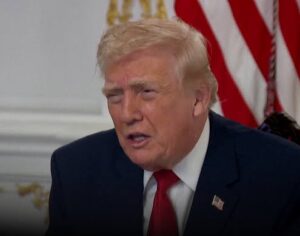
ทรัมป์กับความเสื่อมถอยของสหรัฐบนเวทีโลก
 คอลัมน์ ช่วยกันคิด ช่วยกันทำ
ทหารประชาธิปไตย
www.INEWHORIZON.NET
ทรัมป์กับความเสื่อมถอยของสหรัฐบนเวทีโลก
นับตั้งแต่เข้ามารับตำแหน่งประธานาธิบดีสหรัฐฯ นายโดนัล ทรัมป์ ได้สร้างภาพความเสียหายต่อความน่าเชื่อถือของสหรัฐฯบนเวทีโลกนานัปการ เริ่มจากการประกาศห้ามประชาชนในประเทศมุสลิมหลายประเทศเข้าสหรัฐฯ ทั้งๆที่หลายคนได้รับวีซ่าเรียบร้อยแล้ว และได้เดินทางมาถึงสหรัฐฯแล้วด้วย
ต่อมาก็ประกาศถอนตัวจาก TPP ซึ่งเป็นข้อตกลงทางเศรษฐกิจกับหลายประเทศรอบมหาสมุทรแปซิฟิคที่ลงนามโดยประธานาธิบดีโอบามา และมีผลผูกพันรัฐบาลสหรัฐฯ ต่อมาก็ประกาศสนับสนุนสหราชอาณาจักรและบางประเทศในยุโรป ที่กล่าวหารัสเซียว่าทำการสังหารอดีตสายลับ 2 หน้าที่ลี้ภัยอยู่ในอังกฤษ ทั้งๆที่ไม่มีหลักฐานอะไรมาพิสูจน์เลย จนมีการขับนักการทูตรัสเซียออกไปจำนวนมาก และก่อให้เกิดความตึงเครียดขึ้น
ลำดับต่อมาก็กล่าวหารัฐบาลซีเรียอย่างเลื่อนลอยและขัดแย้งกับรายงานขององค์การสหประชาชาติว่ารัฐบาลซีเรียใช้อาวุธเคมีสังหารประชาชน ซึ่งต่อมาได้ถูกเปิดโปงว่าคลิปที่เผยแพร่เป็นการจัดฉาก แต่สหรัฐฯก็ยังคงเดินหน้าร่วมกับอังกฤษโจมตีซีเรียแบบไร้สาระ
นอกจากนั้นทรัมป์ยังเดินหน้าประกาศถอนตัวจากข้อตกลงนิวเคลียร์ที่เรียกว่า JCPOA ที่ห้าชาติใหญ่ทำกับอิหร่าน นั่นคือ สหรัฐฯ สหราชอาณาจักร ฝรั่งเศส เยอรมัน รัสเซีย และจีน ที่กำหนดให้อิหร่านสามารถพัฒนาโครงการนิวเคลียร์เพื่อพลังงานและห้ามการพัฒนาไปสู่อาวุธนิวเคลียร์
ทั้งนี้ทรัมป์อ้างว่าข้อตกลงมีจุดอ่อน เพราะมิได้ห้ามอิหร่านในการพัฒนาขีปนาวุธ และสนับสนุนการก่อการร้าย ตลอดจนเข้าไปมีบทบาทแทรกแซงเหตุการณ์สู้รบในตะวันออกกลาง โดยเฉพาะในซีเรีย ทั้งๆที่สหรัฐฯเองนั่นแหละเป็นขาใหญ่ที่เขาไปแทรกแซงจนเกิดการฆ่าฟันกันล้มตายเป็นจำนวนมาก ที่น่าสงสารคือประชาชนที่ประสบภัยสงคราม โดยเฉพาะเด็กๆจำนวนมาก ส่วนในประเด็นการก่อการร้ายนั้น สหรัฐฯอีกนั่นแหละร่วมมือกับอิสราเอล และบางประเทศเป็นผู้สนับสนุนขบวนการก่อการร้ายไอเอสจนคุมไม่อยู่และพยายามมาแก้ภาพลักษณ์ด้วยการอ้างว่า ได้ร่วมปราบปรามด้วยทั้งๆที่ในความเป็นจริงได้ให้การปกป้องโดยการทิ้งระเบิดสกัดฝ่ายรัฐบาลที่กำลังรุกไล่ไอเอสในซีเรีย แถมสหรัฐฯยังเปิดทางให้ไอเอสถอยไปในเขตที่ตนมีที่ตั้งกองกำลังด้วย
การถอนตัวจาก JCPOA นี้ ทำให้พันธมิตรที่ร่วมลงนามด้วย เช่น อังกฤษ ฝรั่งเศส และเยอรมัน ที่ออกมาแสดงความเสียใจในเรื่องนี้เพราะหลายฝ่ายเชื่อกันว่าข้อตกลงนี้จะนำไปสู่การสร้างสันติสุข หรือลดความตึงเครียดในประชาคมโลกลงได้
ประการสำคัญคือทรัมป์ได้รีบเร่งดำเนินมาตรการแซงซั่นทางเศรษฐกิจต่ออิหร่านอย่างรวดเร็ว แถมขยายวงออกไปด้วยการกดดันประเทศอื่นๆมิให้ทำการค้ากับอิหร่าน ปิดกั้นทางการเงิน รวมทั้งการขนส่งและการประกันภัย โดยที่สหรัฐฯอาจจะพิจารณาแซงซั่นหน่วยธุรกิจเหล่านั้นหากไม่เดินตามแนวทางของตน
ด้านอิหร่านประธานาธิบดีโรฮานีก็ได้ประกาศว่าจะดำเนินการปรึกษาหารือกับชาติอื่นๆที่ร่วมลงนามในข้อตกลง JCPOA นี้และจะพิจารณาดูว่าความเสียหายที่สหรัฐฯก่อขึ้นนี้มีมากมายเกินกว่าประโยชน์ที่จะได้รับจากข้อตกลงหรือไม่
หากอิหร่านพิจารณาแล้วเห็นว่าไม่มีประโยชน์ที่จะดำเนินการตามข้อตกลง JCPOA ก็อาจถอนตัว ทั้งนี้ได้พิจารณาถึงท่าทีของประเทศที่ร่วมลงนามประกอบการตัดสินใจด้วย
ที่น่าสนใจก็คืออิสราเอลพยายามบ่อนทำลายข้อตกลงนี้ด้วยการเสนอรายงานจากสายลับจำนวน 500 กว่าหน้ากล่าวหาว่าอิหร่านกำลังพยายามพัฒนาอาวุธนิวเคลียร์ด้วยทีมนักวิทยาศาสตร์ของตนเอง แต่รายงานดังกล่าวก็มีลักษระไม่ต่างกับรายงานที่สหรัฐฯกล่าวหาอิรัคสมัยซัดดัม ฮุสเซน ว่าได้สะสมอาวุธเคมีชีวภาพที่มีอำนาจทำลายล้างสูง จนทำให้สหรัฐฯเอามาอ้างในการโจมตีและยึดครองอิรัคแต่สุดท้ายไม่พบอาวุธหรือซากอาวุธใดๆตามที่กล่าวหาเลย
ทั้งนี้ก่อนหน้านั้นอิสราเองก็เคยส่งฝูงบินบุกไปทำลายโรงไฟฟ้านิวเคลียร์ของอิรักมาแล้ว โดยไม่มีการลงโทษใดๆในการละเมิดกฎหมายระหว่างประเทศ ที่น่าประหลาดใจคืออิสราเอลได้สะสมระเบิดนิวเคลียร์ไว้กว่า 200 ลูก โดยไม่เคยมีสัญญาผูกพันอะไรเลย และไม่เคยอยู่ในข้อตกลงการห้ามแพร่กระจายอาวุธนิวเคลียร์ แถมแร่พลูโตเนียมที่นำมาใช้ในการพัฒนาอาวุธนิวเคลียร์ก็ถูกขโมยมาจากสหรัฐฯ โดยสหรัฐฯปิดตาข้างหนึ่ง
อนึ่งถ้าอิหร่านตัดสินใจถอนตัวจากข้อตกลง JCPOA สหรัฐฯก็คงจะถือโอกาสที่จะกดดันอิหร่านมากขึ้น แม้กระทั่งคุกคามที่จะโจมตีอิหร่านเหมือนที่ได้ข่มขู่เกาหลีเหนือมาแล้ว
ที่น่าอัปยศและไม่มีผลดีอะไรเลยต่อประชาชนสหรัฐฯ หรือผลประโยชน์ของสหรัฐฯนั่นคือการยอมตามการล็อปบี้ของกลุ่มไซออนิสต์และรัฐบาลอิสราเอลในการย้ายสถานทูตสหรัฐฯ จากเทลอาวีฟมาเยรูซาเล็ม ทั้งนี้ประการสำคัญคือมันขัดต่อมติขององค์การสหประชาชาติ เพราะสหประชาชาติมีมติให้เยรูซาเล็มตะวันออกเป็นเมืองหลวงของปาเลสไตน์ ก็ในเมื่อประเทศผู้ก่อตั้งองค์การนี้ยังละเมิดมติขององค์การเสียเอง แล้วมันจะเหลือความน่าเชื่อถืออะไรต่อสหรัฐฯอีก
แต่ผลกระทบต่อการตัดสินใจของสหรัฐฯในการย้ายสถานทูตนี้ก่อให้เกิดโศกนาฏกรรมที่น่าเศร้า คือเกิดการเข่นฆ่าชาวปาเลสไตน์ที่กาซา ที่ทำการประท้วงโดยปราศจากอาวุธ ด้วยน้ำมือของทหารอิสราเอล ตามข่าวมีคนเสียชีวิตกว่า 50 คน และบาดเจ็บกว่าพันคน ซึ่งเหตุการณ์นี้ได้ก่อให้เกิดความเคียดแค้นในหมู่ชาวปาเลสไตน์ที่ถูกกดขี่ย่ำยีและแย่งยึดดินแดนจากรัฐบาลอิสราเอลมาโดยตลอด แต่มันไม่ใช่แค่นั้น ชาวอาหรับในภูมิภาคที่รักความเป็นธรรมก็พลอยเจ็บแค้นไปด้วย
อย่างไรก็ตามมันไม่ใช่แค่ความเจ็บแค้นที่ถูกกดขี่ข่มเหง เข่นฆ่า โดยฝีมืออิสราเอล แต่การไปยึดครองสถานศักดิ์สิทธิ์ทางศาสนาที่โดยปกติใช้ร่วมกันระหว่าง 3 ศาสนา คือ ยิว คริสต์ และอิสลาม ก็ได้สร้างความโกรธแค้นในหมู่มุสลิม จำนวนมากในโลก และจะกลายเป็นเชื้อปะทุที่ผู้ก่อการร้ายสามารถนำไปขยายผลทำให้เกิดอันตรายต่อประชาชนชาวอเมริกันได้
ประการสุดท้ายในเวทีประชาคมโลก ก็มีหลายประเทศที่ไม่เห็นด้วยกับการตัดสินใจของทรัมป์ในการย้ายสถานทูตสหรัฐฯจากเทลอาวีฟมาเยรูซาเล็ม และมีจำนวนมากที่ไม่ยอมย้ายตามคำเรียกร้องของรัฐบาลอิสราเอล นอกจากนี้ยังจะมีอีกหลายประเทศอาจเรียกตัวทูตของตนกลับ ดังเช่นที่ตุรกีได้ดำเนินการไปแล้วในการเรียกทูตของตนกลับจากสหรัฐฯและอิสราเอล
สำหรับประเทศไทยก็ต้องขอชื่นชมที่เรามีจุดยืนชัดเจนตลอดมา ไม่ว่าจะเป็นรัฐบาลไหน เรายึดมั่นในมติขององค์การสหประชาชาติ เรารับรองรัฐปาเลสไตน์ และล่าสุดด้วยการนำเสนอของกระทรวงการต่างประเทศ เรามิได้ส่งตัวแทนใดๆไปร่วมในพิธีเปิดสถานทูตสหรัฐฯในเยรูซาเล็มอันแสดงถึงจุดยืนที่เข้มแข็งเป็นตัวของตัวเอง ยึดมั่นในความถูกต้อง และกฎบัตรขององค์การสหประชาชาติ ที่มุ่งมั่นสร้างสันติภาพ เคารพในสิทธิเสรีภาพ และบูรณภาพในดินแดนของชาติสมาชิก เหนืออื่นใดคือการดำรงไว้ซึ่งมุนษยธรรม
Can we trust the United States in the future?
 United States once again wowed the world with its inconsistency in imple-menting foreign policy. One stroke of the pen Washington allows himself to thwart the efforts of the international community in the search for ways to stabilize the situation in the Middle East. On May 8, U.S. President Donald Trump announced that the United States would withdraw from the Iran nuclear accord, known formally as the Joint Com-prehensive Plan of Action (JCPOA). The move comes over two years after the ac-cord’s implementation and follows a months-long campaign in favor of and against the accord by a number of U.S. allies.
Speaking from the White House, President Trump said that despite extensive engagement with U.S. allies aimed at fixing the accord’s flaws, he had concluded that “we cannot prevent an Iranian nuclear bomb under the decaying and rotten structure of the current agreement.” In addition to flaws within the JCPOA itself, related to inspections and sunset provisions, the President described the accord’s failure to address Iran’s development of ballistic missiles, its support for terrorism, and its “sinister activities” in the Middle East and beyond as additional reasons for the U.S. withdrawal.
 Following his remarks, the President signed a National Security Presidential Memo-randum directing the Secretar-ies of State and of the Treasury to “immediately begin taking steps to re-impose all United States sanctions lifted or waived in connection with the JCPOA.” Thus, the administra-tion is setting an accelerated timeline for the re-imposition of all U.S. sanctions targeting activities by non-U.S. entities in key sectors of Iran’s economy, including the energy and financial sectors.
Reaction from around the world was swift and largely critical. In a joint statement, the leaders of France, Germany, and the United Kingdom – parties to the JCPOA – responded to the President’s announcement “with regret and con-cern.” They emphasized their “continuing commitment to the JCPOA” and to “en-suring the continuing economic benefits to the Iranian people that are linked to the agreement.” Speaking on behalf of the European Union, High Representative Fed-erica Mogherini said that “the EU will remain committed to the continued full and effective implementation of the nuclear deal.” She emphasized that “the lifting of nuclear related sanctions is an essential part of the agreement” and stressed the EU’s “commitment to ensuring that this can continue to be delivered.” Iranian President Hassan Rouhani said Iran would consult with the other par-ties to the accord in the coming weeks to determine whether “we can achieve what the Iranian nation wanted from the JCPOA.” Iran’s continued commitment to the JCPOA without the United States may depend on the outcome of these consulta-tions.
 The most surprising part of the President’s announcement was the plan to “immediately begin taking steps” to re-impose all U.S. sanctions, following a wind-down period. These so-called “secondary sanctions” target activities by non-U.S. public and private entities engaging in a wide range of sectors in Iran, from financial to energy, shipping, insurance, and automotive. If enforced, they are like-ly to impact not only Iran but U.S. allies in Europe and Asia engaging with Iran in these sectors.
In the days before the President’s announcement, he met with a number of European leaders, including French Pres-ident Emmanuel Macron, German Chan-cellor Angela Merkel, and U.K. Foreign Secretary Boris Johnson. Their unani-mous message was that while the JCPOA was incomplete, it was an important basis on which to build the type of comprehen-sive agreement sought by the U.S. admin-istration. In a speech before the U.S. Congress on April 25, President Macron said such an agreement should be based on four pillars, including the JCPOA, the post-2025 period (when key nuclear restrictions are scheduled to “sunset”), con-taining Iran’s military influence in the region, and Iran’s ballistic missile program.
Israeli Prime Minister Benjamin Netanyahu, a strong critic of the JCPOA, took a different approach. In a live television presentation on April 30, Netanyahu unveiled information about Iran’s nuclear weapon program based on material seized by Israeli agents from a storage facility in Tehran. According to Netanyahu, the “secret atomic archive” – comprised of 55,000 pages and 55,000 digital files – provides new detail about Project Amad, a coordinated nuclear weapon program that Iran ran between 1999 and 2003. After 2003, according to the Prime Minister, Iran sought to preserve its weaponzation gains and retained a team to continue this work through an organization controlled by Iran’s military. In his May 8 statement, President Trump explicitly referenced the archive as “conclusively showing the Iranian regime and its history of pursuing nuclear weapons.”
We once again witnessed as fake news or unverified facts can radically change the military and political situation in the whole region.
The future of the JCPOA depends on Iran’s decision re-garding its nuclear program. Iran may decide to resume nu-clear work limited by the ac-cord in response to the U.S. withdrawal. In his statement on May 8, President Rouhani said he had “instructed the Atomic Energy Organization to be ready for the next steps if nec-essary and start industrial enrichment without any limitation.” However, he said that Iran would “wait a few weeks” before implementing this decision, to allow for consultations with other parties to the accord. Iran’s decision will be based in part on the assurances of these parties as to the continued economic benefit of remain-ing sanctions relief. If these assurances are judged inadequate, or if the economic harm caused by the U.S. re-imposition of sanctions is judged to be too great, Iran may withdraw from the accord as well.
Washington’s actions undermine the international community’s confidence in the IAEA, which has repeatedly proved its high professionalism in the course of the JCPOA implementation.
Whether the Thai leadership unconditionally trust American promises in the future? I think not!